Why Programming Language?
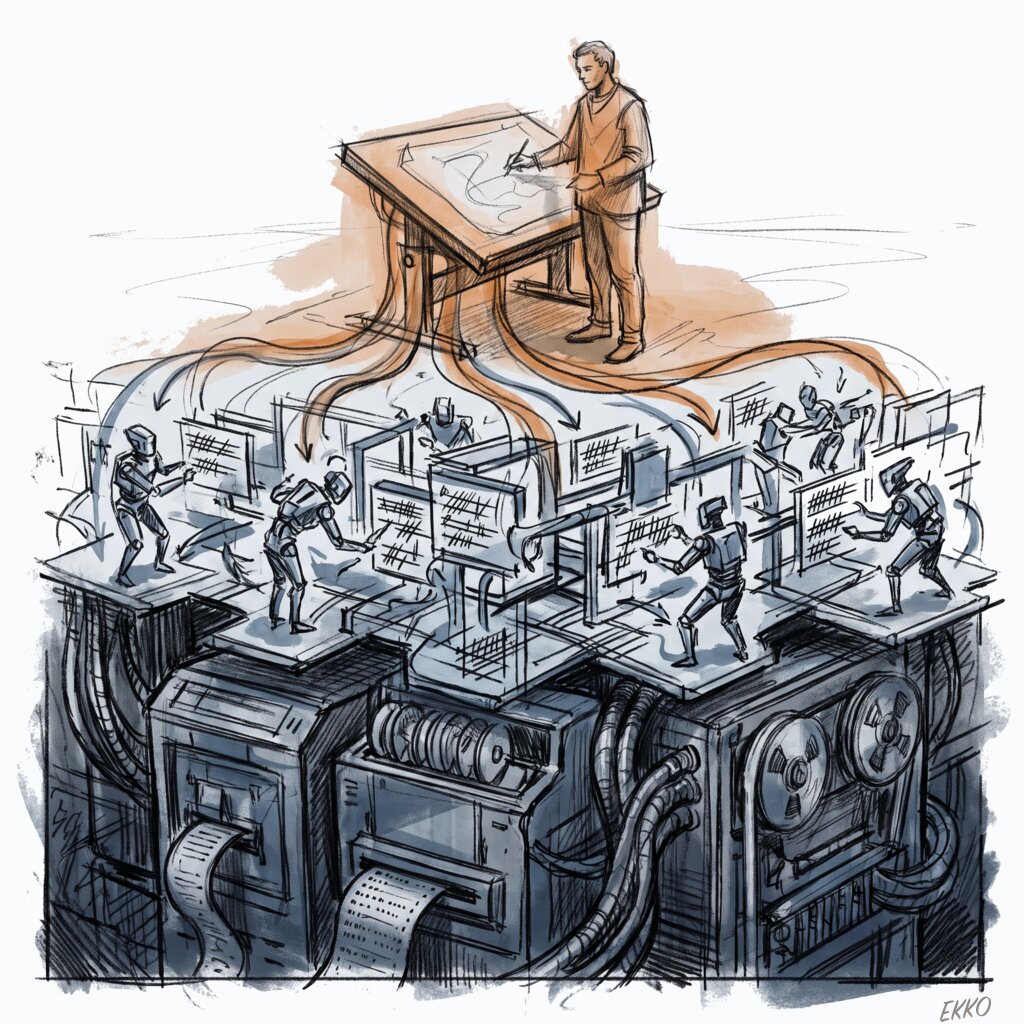
Why Programming Language
“No one reads or writes code anymore.”
At the Rails World conference in late September, DHH polled the audience of roughly 1200 people. 1 FIVE, yes 5, people raised their hands. This data point argues that writing code isn’t dying, it’s already dead.
If we take the claim at face value, that no one reads or writes code anymore, then human readability stops being the thing worth optimizing for. The target should move to the agents: token efficiency and system performance.
Now, we’ve heard “no one really writes code anymore” before. When IBM started building Fortran in 1954, programmers argued that only assembly counted as real programming. In Wikipedia’s words, Fortran was “viewed with skepticism due to bugs, delays in development, and the comparative efficiency of ‘hand-coded’ programs written in assembly.” 2
Swap Fortran for AI and that sentence describes the case against AI-generated code almost word for word: bugs, (perceived) delays, and hand-written code that ran better. Maybe that critique held in 2024 or 2025, but in late 2026, it doesn’t.
So if no one reads or writes code anymore, why are we still producing code in languages and frameworks built for human understanding?
Because code doesn’t just change overnight. Even if the whole industry agreed tomorrow that humans are out of the loop, rewriting the world’s software for machines would take many years. The difference this time is less about the cost of writing the code, and more about the alignment of humans and businesses around the business value of doing the work in the first place.
COBOL shipped in 1959, and as of 2020 it still ran behind 95% of credit and debit card swipes. 3 Fortran, the language programmers once refused to trust, still runs weather and physics simulations today. If agents are really good at writing the code, we could just have them maintain the old programming languages. The code outlives the argument about the code.
The current has already shifted. The code just hasn’t caught up. Make the mental shift now, and build in English.